

GRAPHITE TUTORIAL:
Elegy (stage one)
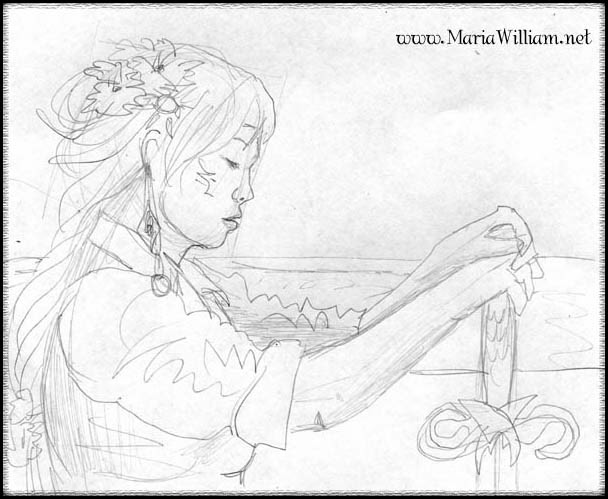
I usually start with an idea, at first sketching it roughly, to see if a composition I have in my head would work on paper, and try to balance all the elements, to decide what light source to choose, etc. Sometimes I start with an idea from my head, and then work on it from there to add different elements and seek relevant reference. Other times I see a photograph or stock image that gives me an idea or inspires me in some way, and I base a drawing on it.
Note: always check the availability and intellectual rights of your reference images. While many images out there are public domain, especially those created before certain time, many are not. Never take an image and base your artwork on it without first tracing it to the source and asking permission to use it from whoever holds the copyright. There are certain sites that specialize in providing stock images for public use, either for free or for a small fee. Making sure you have the right to use the reference is worth your peace of mind. Many artists also base their artwork on photos such as ads without seeking permission of the original photographer; the trick is that they change the initial image so much that it’s no longer recognizable.
A few more words on reference... Some people will tell you that using it is “cheating”, or that it’s a “crutch” that will prevent you from being able to draw from your memory and from life. This approach is purist at best, elitist at worst. If you look at history of art, referencing and even tracing have been around since... well, forever. What’s known as the camera obscura was basically a primitive tracing tool. And since the inception of photography many famous artists have used photos in their work, among them Picasso, Degas, Van Gogh, Lautrec, Gaughin, Alphonse Mucha, Frida Kahlo, Cezanne, and many more... Lesser known Robert Stanley painted exclusively from photographs.
Using reference on a regular basis will not affect your ability to draw from life, as long as you still pay attention to what you're working on, as opposed to mindlessly copying. Keeping a sketchbook and using it regularly to practice and draw from memory and life will also help to keep you on your toes.
Bottom line: not using any reference does not make your art more impressive or more valuable, and using it definitely does not make you a worse artist.
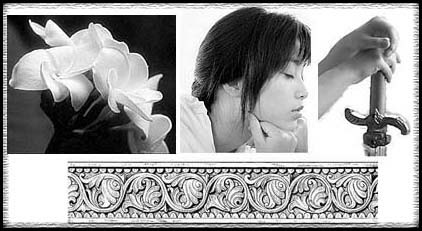
While I do use reference for most of my work, I never directly copy any photos. That would bore me. I take a little bit from here and there, combining many elements to fit together and serve my goals for the piece. Below are a couple of reference shots I used in the process of composing Elegy: